Charlemagne Youth Prize: Get Involved

Are you between 16 and 30 years old, live in an EU country, and lead a project that promotes democratic values, European identity, or youth participation? If so, this prize could be for you. Each year, the European Parliament and the Charlemagne Prize of Aachen Foundation organise the European Charlemagne Youth Prize to recognise youth-led projects that strengthen democracy, active participation, and European integration. Participation involves two stages: first, a national call in which each Member State selects one project, followed by a European jury that chooses the three continental winners. In addition to recognition, the cash prizes are €7,500, €5,000, and €2,500 for the top three, and winners attend official ceremonies and have the opportunity to visit the European Parliament. If you have a project with a European impact, start preparing it now. Check the details of the next call: criteria, deadlines, and requirements, review previous winners, and register before 30 January. Your initiative could become part of European history!
Smart Villages: Technology and Collaboration for a Sustainable Rural Future

Villages and rural communities are not untouched by the digital revolution taking place worldwide. Innovative solutions, from Big Data to the Internet of Things (IoT), have reached rural areas to develop and improve their social, economic, and environmental conditions. A smart village is a rural community that leverages technology and innovation to revitalise its economy, enhance the quality of life for its residents, and increase resilience by responding to local needs and building on local strengths. It focuses on combating depopulation and ageing, creating more sustainable and participatory development, and applying digital solutions innovatively in areas such as agriculture, energy, and public services. The concept of smart villages aims to equip small rural populations with the means to become engines of change and productive centres. Some Spanish regions, such as Castilla-La Mancha, Castilla y León, and Extremadura, have embraced this model, expanding it from municipalities to intelligent and sustainable rural ecosystems and districts. Across Europe, notable examples include Valle d’Aosta in Italy, with energy communities and fossil fuel independence plans, and the Kaišiadorys district in Lithuania, which has developed mobile hubs for radio and podcast production, citizen consultations, local e-commerce, and connected spaces to improve rural services. If you want to get involved in transforming rural areas, we invite you to explore the collaborative projects space at VILLAHUB. This environment is designed to foster the joint creation of initiatives that contribute to the sustainable, social, and digital development of villages. Here, young people, educators, entrepreneurs, and local organisations can co-create, manage, and share projects with tangible impact in their communities, experiment with new methodologies and innovative solutions, and participate in a European network of collaborative learning. Join, connect with other users, and be part of building a more dynamic and connected rural future.
Volunteer Day in Villalar: Reforestation, Pollinators, and Nesting Boxes
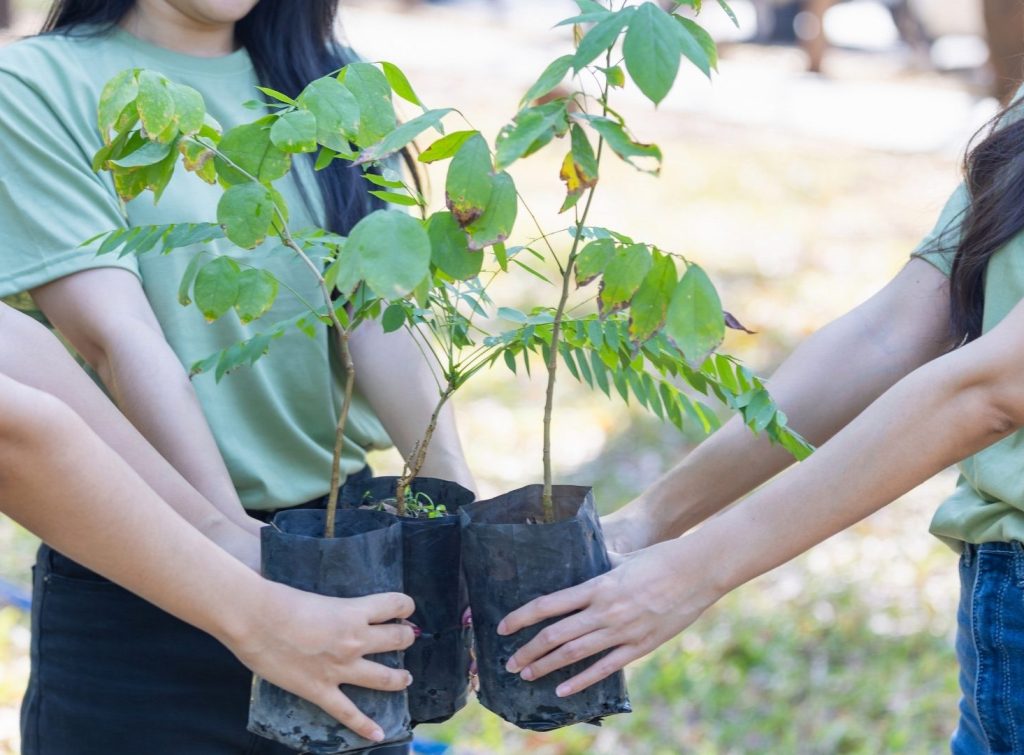
On 22 March, Villalar de los Comuneros will become a space for youth engagement and action for everyone interested in caring for our environment. The Villalar Checkpoint project, together with GREFA, the Ayuntamiento de Villalar, Ágora Villalar, and AEICE Clúster de Hábitat Eficiente, is organising a special day of reforestation, pollinator care, and a nesting box construction workshop. All participants in the volunteer day will enjoy hands-on activities, awareness-raising exercises, and discussion spaces, while contributing to a positive impact in their community. In addition, the event provides free meals and transport to facilitate participation. If you want to be part of this experience and share your ideas, reserve your spot by emailing fblanca@grefa.org. The Villalar Checkpoint initiative aims to highlight La Campa, promoting active youth participation and creating a space where their voices and ideas take centre stage. It will be an opportunity to learn, collaborate, and contribute to the transformation of the rural environment, fostering sustainable practices and respect for biodiversity. We encourage you to complete this short survey to share how you would like the initiative to develop and help us advance the Villalar Checkpoint project.
Sementera Festival in Villalar de los Comuneros
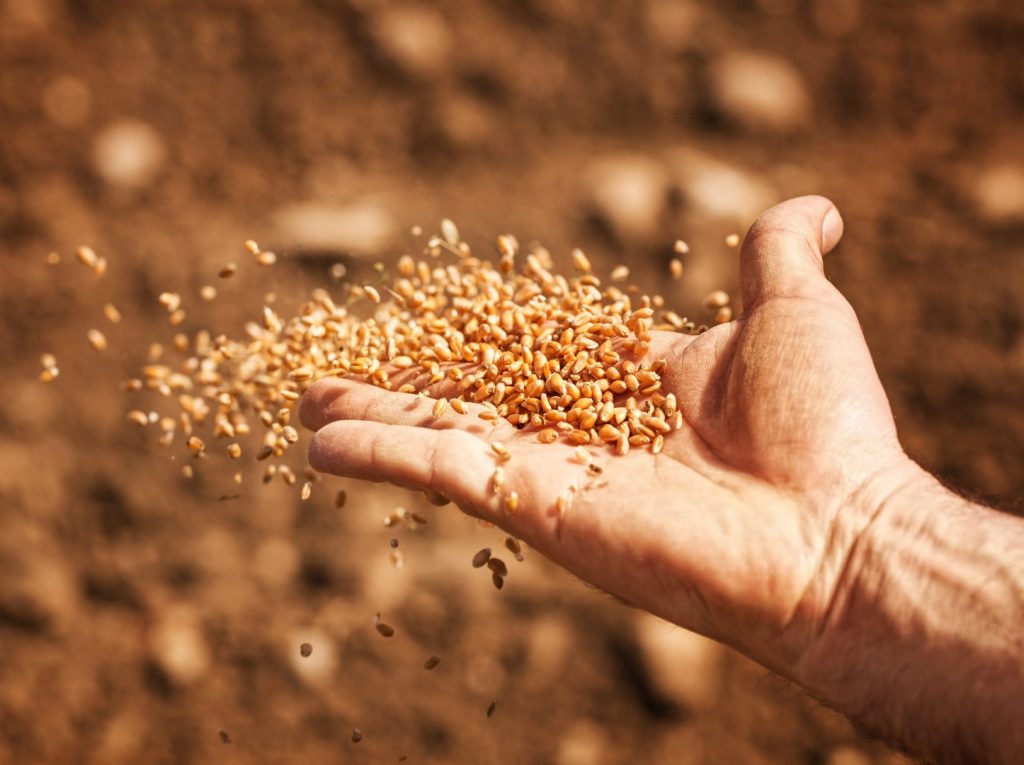
Next Saturday, 18 October, Villalar de los Comuneros will host a new edition of the Fiesta de la Sementera, a very special day that combines tradition, sustainability, and intergenerational community life. Organised by the Ayuntamiento de Villalar de los Comuneros, together with the Villalar Checkpoint project and GREFA (Grupo de Rehabilitación de la Fauna Autóctona y su Hábitat), the event promises to be a meeting point where young people, families, and local associations come together around nature and Castilian roots. This year’s programme includes environmental volunteer activities, participatory workshops, traditional games, local cuisine, and live music that will bring the village to life from early morning until night. The day will start with a hot chocolate gathering in the municipal park to fuel up before heading to the fields. One of the most anticipated moments will follow: broadcast sowing and the planting of melliferous shrubs in the Las Pozas area, accompanied by tastings of garlic soup and chicharrón cake. At midday, a communal meal featuring arroz a la zamorana will bring attendees together around the table, while in the afternoon there will be workshops for wild bee nesting boxes, board games, and traditional dances with the Virgen de los Aguaderos group. The day will conclude with a concert by the duo Alicornio Folk, followed by a communal dinner and a DJ session to end the celebration on a high note. For just €5, you can reserve your place with all meals included (breakfast, lunch, and dinner) and free bus transport from Valladolid. Reservations can be made at the Ayuntamiento or by emailing culturavillalar@gmail.com.
Lessons from ERYS 2025: Empowering Rural European Youth

In August 2025, the town of Valča in Slovakia hosted the third European Rural Youth Summit (ERYS 2025 – Together for Today), an event that brought together young people, trainers, and policymakers from rural communities across Europe. Under the banner “Together for Today,” the summit focused on the well-being of rural youth and intercultural dialogue as drivers for more inclusive societies. One of the highlights was giving young people the opportunity to share their experiences and take an active role in driving change: not only participating in workshops and debates but also directly contributing policy recommendations that reflect their realities. ERYS served as a platform where their voices were heard, their challenges—such as distance, isolation, or lack of opportunities—were made visible, and concrete solutions were explored. Emotional health, social connection, and mutual support were also emphasised as essential components of any strategy aimed at revitalising rural areas. For those working with youth—whether as trainers, in local development, or community projects—ERYS 2025 offers practical inspiration: creating safe spaces for young people to express concerns, incorporating participatory methodologies where their voices truly matter, and building local support networks with a European perspective. ERYS 2025 not only inspired Europe’s rural youth but also looked to the future: the next edition of the Summit promises to continue fostering connection, empowerment, and co-creation, inviting new rural communities to make their voices heard in the European dialogue.
The EU Youth Conference 2025 Prepares to Connect Young People in Copenhagen
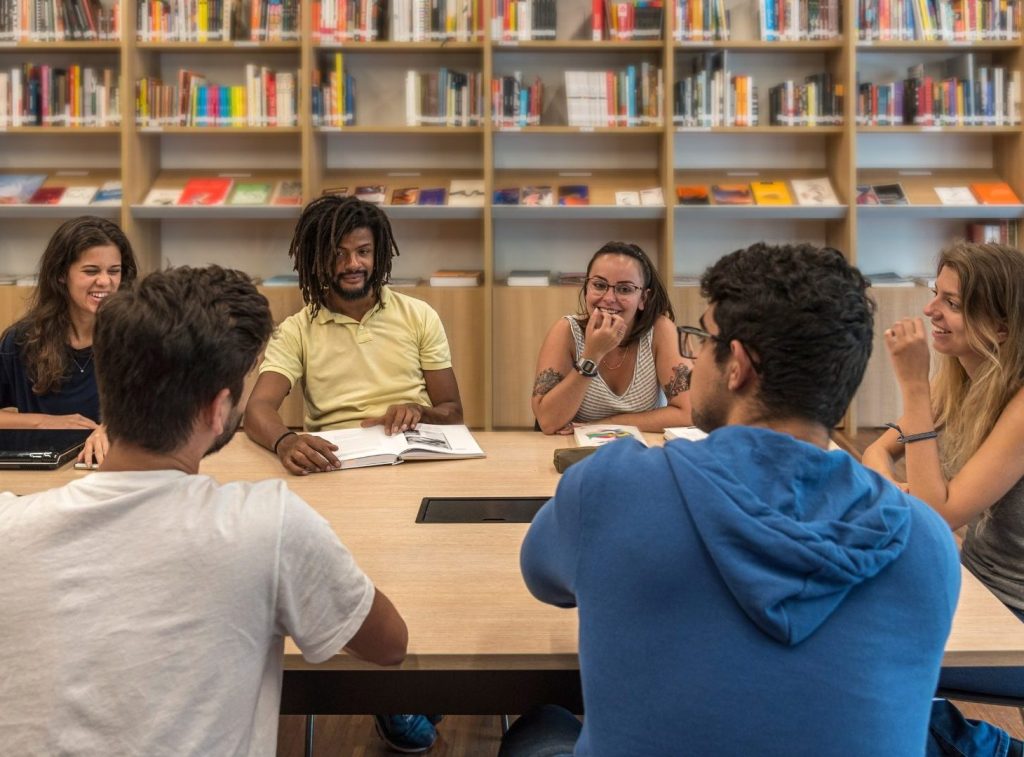
From 21 to 23 September 2025, Copenhagen will host the EU Youth Conference under the Danish Presidency of the Council of the EU, as part of the 11th cycle of the European Youth Dialogue. Young delegates, policymakers, and institutions will come together to discuss the future direction of Erasmus+ and other key initiatives for European youth. In July 2025, the European Commission presented the proposal for the “Erasmus+ Programme for 2028–2034.” During the Youth Conference in Denmark, youth representatives will be invited to develop policy recommendations for the negotiations on this proposal. As the Commission’s proposal merges the current Erasmus+ and European Solidarity Corps programmes, participants are encouraged to draw on their knowledge and experience of both to discuss the future programme. During the event, participants will work in eight thematic groups, co-creating proposals on inclusion, citizenship, volunteering, youth organisations, and other topics. At the conclusion, these recommendations will be consolidated into a policy document to be presented to European institutions. The conference will feature prominent officials, including Commissioner Glenn Micallef, Executive Vice-President Roxana Mînzatu, and Danish ministers, who will participate in panels and dialogues with the attending youth. If you want to follow this event closely, which will help shape the future of European youth programmes, you can consult the agenda and updates via the European Youth Portal.
This Is How We Experienced the Villalar Checkpoint Volunteer Day in Villalar de los Comuneros
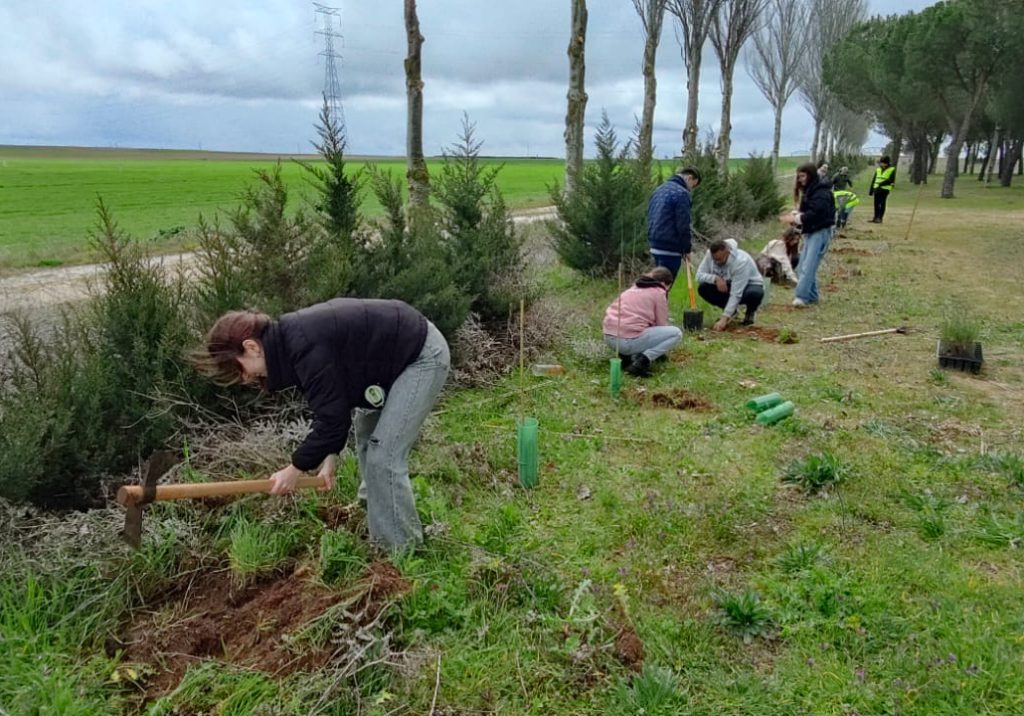
On 22 March, Villalar de los Comuneros was filled with energy, ideas, and a commitment to nature. The day featured a special volunteer event focused on reforestation, pollinator protection, and a nesting box workshop, organised by GREFA (Grupo de Rehabilitación de la Fauna Autóctona y su Hábitat) together with the Ayuntamiento de Villalar and AEICE Clúster de Hábitat Eficiente. It also became a collaborative space where people of all ages came together with a shared goal: shaping a collective strategy for the future of La Campa. The activity began with a presentation of the Villalar Checkpoint project, where the leading organisations explained the objectives and planned actions to enhance this emblematic natural space, as well as the various tools that will be developed, such as the SMART Village LIVING LABs within the project’s virtual space, VILLAHUB. Next, participants delved into the fascinating world of pollinators through an engaging activity that included educational materials, infographics, microscope samples, and interactive games, helping everyone understand the importance of bees, butterflies, and other insects for local biodiversity. The nesting box construction workshop was another highlight of the day. Volunteers built shelters for birds such as owls and kestrels, contributing to the reinforcement of local wildlife. During the subsequent brainstorming session, inspiring ideas emerged on how to make the most of and care for La Campa de Villalar, ranging from educational activities to conservation projects and community gathering spaces. The day concluded with the planting of native flora, taking another step towards the recovery and sustainability of this area. As a final touch, volunteers enjoyed a communal paella, sharing ideas, laughter, and a strong commitment to the local environment. If you couldn’t attend but would like to contribute to the development of the Villalar Checkpoint project, we invite you to share your opinions and suggestions by completing this short questionnaire.
Green and Digital Skills: The New Training for the Future of Rural Employment
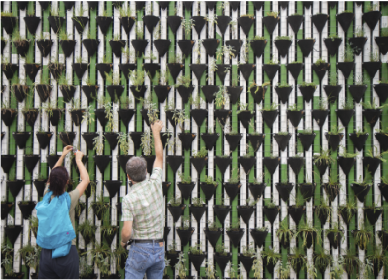
The future of employment in rural areas revolves around two key concepts: sustainability and digitalisation. Increasingly, European and national programmes are promoting the acquisition of green and digital skills among rural youth, aiming to prepare a new generation of professionals capable of addressing the challenges of climate change and technological transformation. Renewable energy, the circular economy, smart forest management, and precision agriculture all require trained and motivated individuals to innovate at the local level. At the same time, digitalisation is opening doors to new models of entrepreneurship, remote work, and local services supported by technological tools. European initiatives such as Erasmus+, or the Centres of Vocational Excellence (CoVEs) programmes, are integrating these skills into technical and vocational training. The goal is to combine the ability to act sustainably with proficiency in digital tools, from data management to collaborative platforms and rural digital marketing. Developing green and digital skills not only prepares young people for the jobs of the future but also allows them to actively contribute to the sustainable development of their communities. In this context, more collaborative learning spaces are emerging in rural areas. Innovation labs, citizen workshops, and projects like Villalar Checkpoint encourage youth participation to imagine and build new ways of living and working. If you are interested in this topic and want to explore related projects or resources, visit the collaborative projects space at VILLAHUB.